Introducing GleanMark
Eleven years as a CFO, a trademark fight over my own company name, and the tool I wished existed. GleanMark is live.
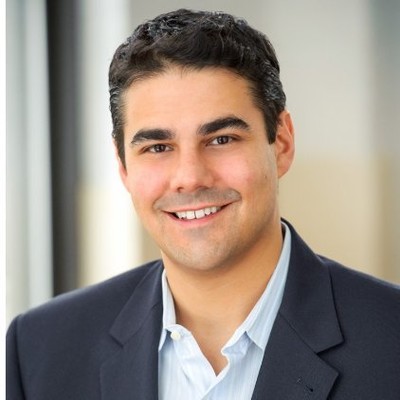 By Howard Katzenberg
Founder of GleanMark. Eleven years as a CFO, then founder of the fintech company Glean.
Updated October 12, 2026
Seventy seconds on what we built.
A year ago, I couldn't have told you what an office action was.
Today we're publicly announcing the company built around them.
I spent eleven years as a CFO before I founded a fintech company called Glean. A few years in, a bigger company started using the same name, and I ended up in the middle of a trademark conflict I never expected to have.
That taught me something I didn't expect. The hard part wasn't the law. It was that everything I needed to know was already public — sitting in the USPTO's records — and almost impossible to actually get at. USPTO.gov felt like it hadn't been touched since 2005. The tools built to fix that were clunky, expensive, and designed for large law firms, not for a company like mine.
After Glean was acquired, I had the space to ask a simple question: could I build the thing I wished I'd had?
So I started calling trademark attorneys. That was the part that decided it. My experience wasn't unusual at all — most of them were stitching together three or four products plus the USPTO site just to get through a normal day. I had assumed I'd hit an edge case. I had hit the standard case.
GleanMark has been live for months. Customers are already managing several thousand trademarks through it. Today we're telling everyone else.
What we built
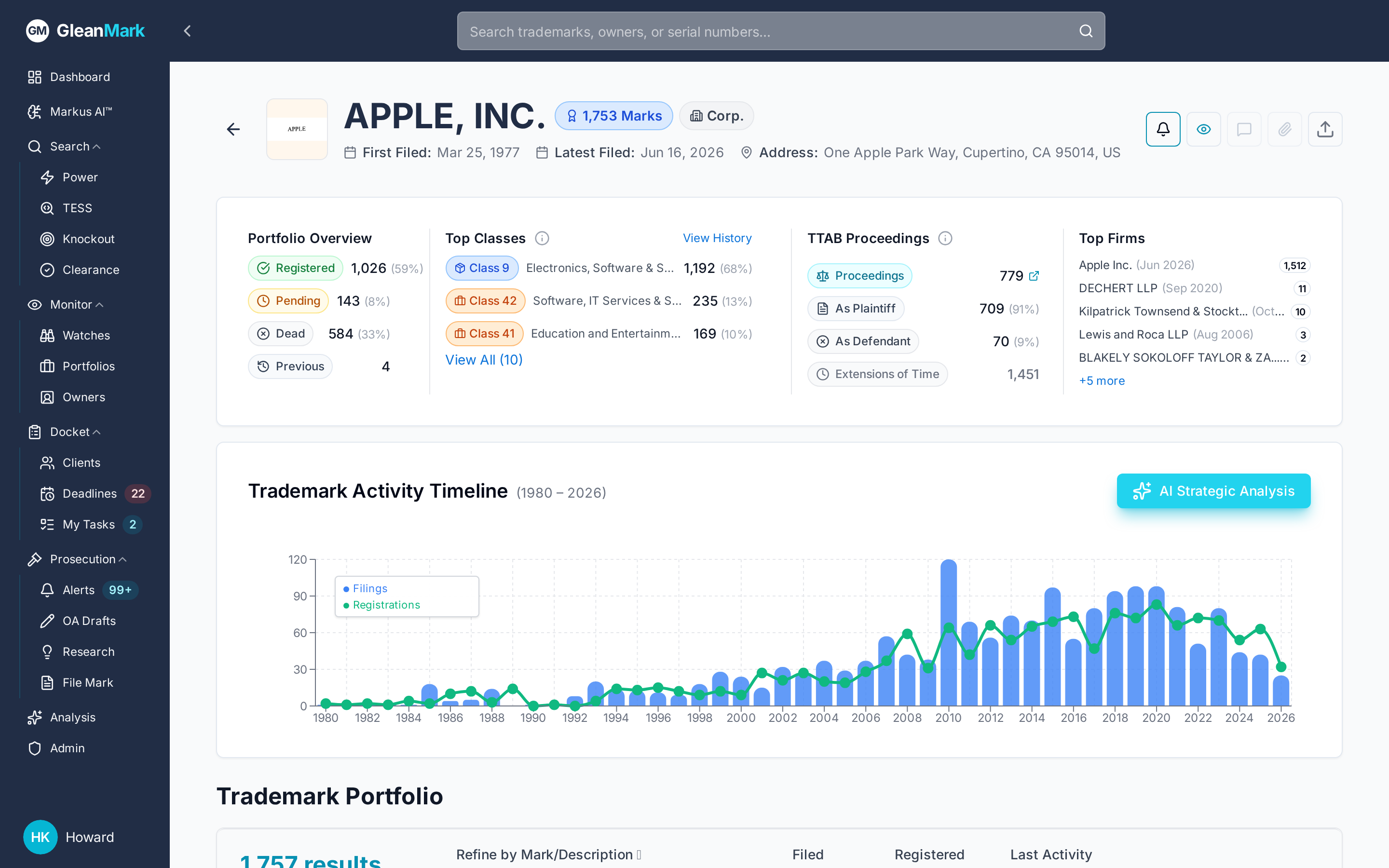
One platform instead of four vendors and a browser tab: trademark research, clearance, office action response drafting, docketing, and watch alerts — sitting on 14 million USPTO records, more than 4.9 million trademark owners, more than 650,000 TTAB proceedings, and more than 240 million prosecution events.
Three things I insisted on from the start, all of them out of my own experience.
The first: every answer shows its work. If our clearance analysis flags a conflict, it hands you the reasoning behind it, not just a confidence score. If our drafter makes an argument, it shows you the registrations and prosecution events supporting it. And when the record doesn't support an argument, it says so instead of inventing one.
The second: the attorney sets the strategy, not the model. Before our drafter writes a word, it asks — which cure are we pursuing, is there client authorization for it, what facts can you supply that the record doesn't have. It only offers the cures actually available for that refusal, and it tells you whether its recommendation is grounded in the record or inferred. Afterwards you can redirect it — argue, amend, pursue consent — and it drafts again.
That sounds like a small thing. It is the whole difference between a hedged memo and a draft you would put your name on, and that difference is usually one decision only the attorney can make.
The third: it costs what a growing company can actually pay. That was the whole problem I ran into in the first place.
What the register told us
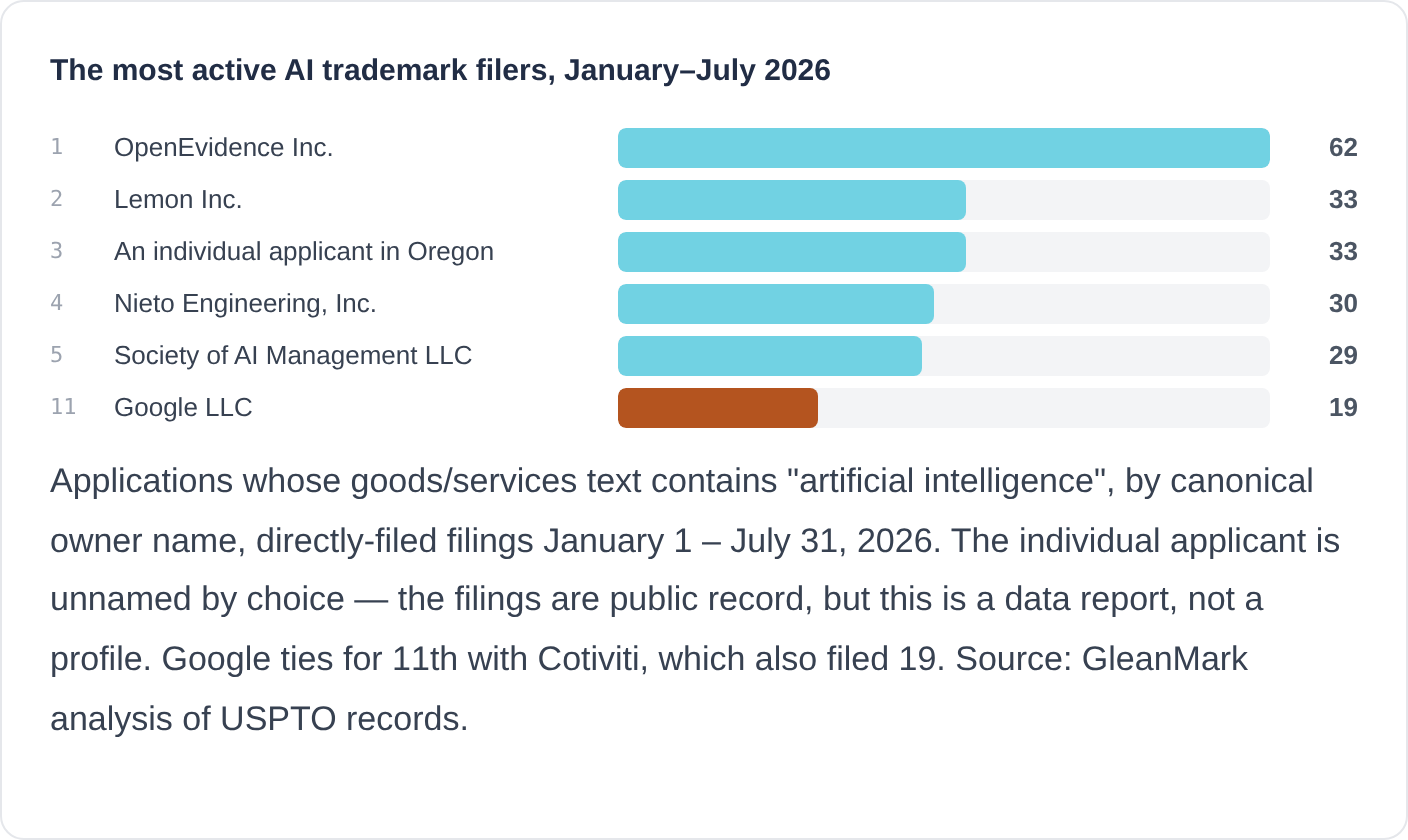
To mark the launch, we studied every U.S. trademark application filed from January through July 2026. A few things surprised me.
Roughly one in twenty applications now claims artificial intelligence in its goods and services — up 2.8x in two years. Of those, 65.4% are intent-to-use filings, against 48.2% for everything else. Companies are naming AI products they haven't built yet.
And "AI" is now the most-disclaimed term at the USPTO apart from corporate-form abbreviations like "Co." and "LLC" — roughly 700 applications this year formally renounced any exclusive right to it. Everyone wants the label; nobody gets to own it.
And the wait for a first office action has fallen from 251 days to 133.
That last number is the one founders should care about most. It doesn't only mean faster approvals. It means refusals, conflicts, and deadlines now arrive nearly twice as fast as they did two years ago.
The full report is here, with the methodology and every figure sourced. The launch announcement is here.
What's next
I'm spending the rest of this year in rooms with trademark attorneys. Not a conference booth — dinners. Eight or ten people, one table, a handful of cities.
Most of what's in GleanMark exists because a practitioner told me the current way of doing it was ridiculous. I'd rather keep building it that way than guess from a spreadsheet.
If you prosecute trademarks and want a seat: hkatzenberg@gleanmark.com.
We're hiring, too. We've been a very lean team and have spent far more time building GleanMark than telling people it exists. So the first roles are growth and customer success, plus engineering. I care less about the title than the disposition: people passionate about getting involved at the ground level, who love talking to customers directly, and are obsessed with building the kind of company legal software mostly doesn't have.
A name is one of the few business decisions that's public and permanent from day one. The record will tell you what you're walking into. It has just never been easy to ask.
Now it is.
— Howard Katzenberg, Founder & CEO
Related Articles
Board cancels Storyteller Overland’s two clothing registrations for lack of use when it applied
October 20, 2026
Zhang keeps MEN WITH THE POT registration because both cases rested on the same facts
October 15, 2026
The USPTO Has Struck 100,000 Unused Goods and Services. Here Is How a Founder Can Ask for One.
October 14, 2026